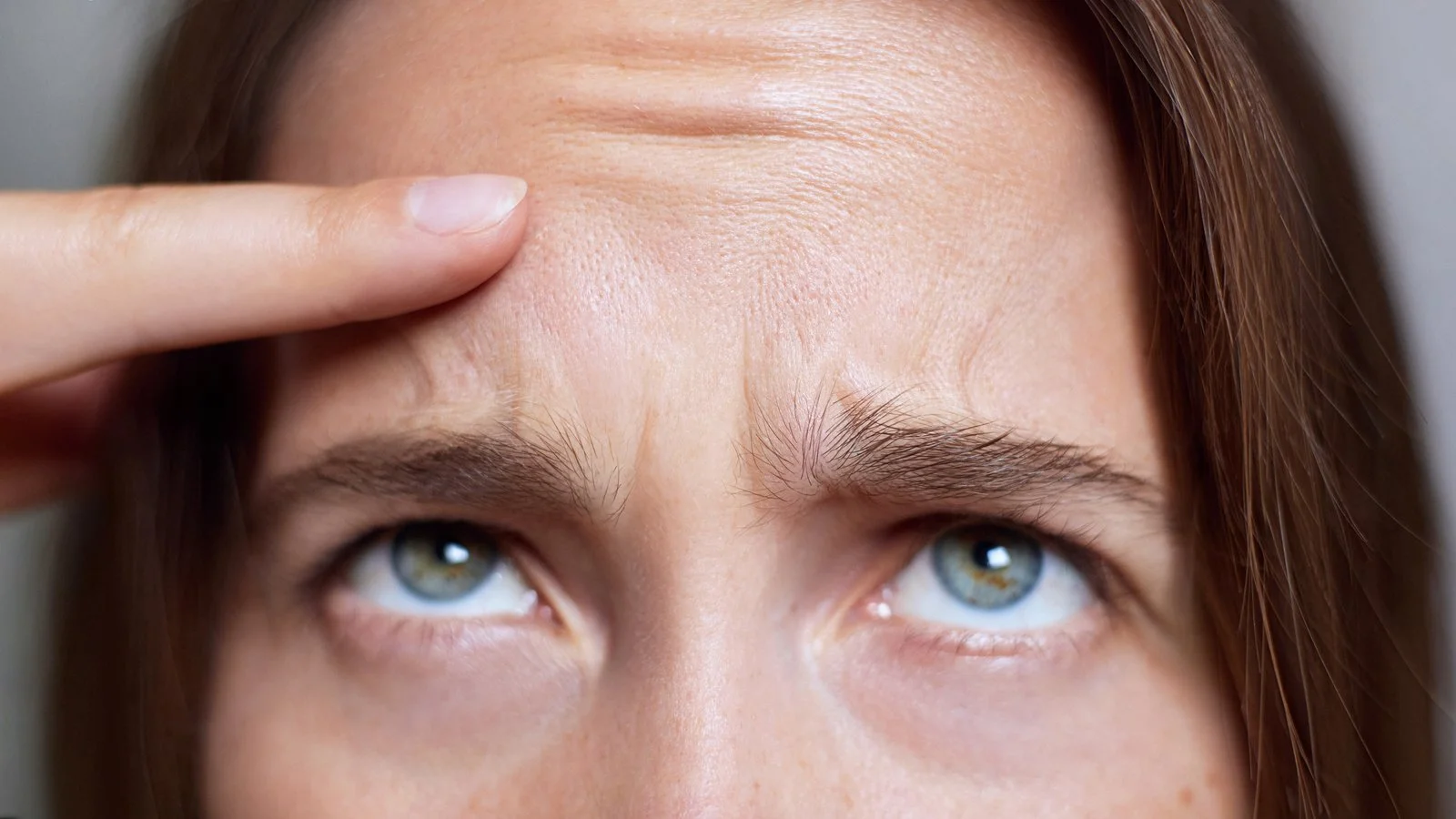

Skin tags are incredibly common. They are usually small, soft, harmless growths that can appear on areas where skin rubs against skin – such as the neck, underarms, eyelids and other skin folds.
For some people, they're barely noticeable. For others, a skin tag can catch on clothing or jewellery, become irritated, or simply be something they'd prefer not to have.
At Cardiff Dental and Aesthetics Centre, we offer skin tag removal in Cardiff following a personalised consultation and assessment.
Our approach is simple: understand the area you're concerned about, assess whether removal is appropriate and talk you through what to expect before any treatment takes place.
What exactly is a skin tag?
A skin tag is a small, soft piece of excess skin that often appears to hang from the surface of the skin.
They are generally skin-coloured or slightly darker and can range from a few millimetres to several centimetres in size. They are particularly common in areas where there is friction or skin-to-skin contact.
Skin tags are usually harmless and don't require treatment for medical reasons.
However, that doesn't mean you have to live with one if it is bothering you.
Why do people choose to have skin tags removed?
There are many reasons someone may consider removal.
A skin tag might:
Sometimes it's not about a dramatic change. It's about removing a small area of skin that has been bothering you for a long time.
Where can skin tags appear?
Skin tags can develop almost anywhere, but they are particularly common in areas where skin rubs together.
Common locations include:
Is every lump or bump a skin tag?
No – and this is an important part of safe treatment.
Skin tags can sometimes look similar to other types of skin growths, including warts and moles.
This is why you should never assume that every skin growth is a skin tag and attempt to remove it yourself.
If a growth is changing, becoming painful, increasing in size or bleeding, it should be assessed by an appropriate healthcare professional before considering cosmetic removal.
How is skin tag removal performed?
The most appropriate removal method depends on the size, position and characteristics of the skin tag.
Depending on the individual case, skin tags are carefully removed at the base.
During your consultation, we'll explain the technique that is appropriate for you and answer any questions you have.
The aim is to remove the unwanted skin tag while causing as little disruption to the surrounding skin as possible.
Does skin tag removal hurt?
This is one of the most common questions we hear.
The level of discomfort can vary depending on the size and location of the skin tag and the technique used.
Where appropriate, local anaesthetic or another form of numbing may be used to make the procedure more comfortable.
We'll explain what you can expect before treatment begins, so there are no surprises.
What happens during your appointment?
We want your appointment to feel straightforward and reassuring.
1. Consultation and assessment
We'll start by looking at the skin tag and discussing why you'd like it removed.
We'll consider its size, location and appearance and make sure that removal is appropriate.
2. Treatment plan
We'll explain the recommended approach, what the procedure involves and what you can expect afterwards.
You'll have the opportunity to ask questions before deciding whether you'd like to proceed.
3. Skin tag removal
Once you're happy to continue, the area will be prepared and the skin tag removed using the appropriate technique.
4. Aftercare
You'll be given advice on caring for the area while it heals.
It's important to follow your aftercare instructions carefully and avoid picking or irritating the treated area.
What can I expect after skin tag removal?
Immediately after treatment, the area may look slightly different from the surrounding skin while it heals.
Some redness, tenderness or temporary changes in pigmentation can occur following removal. There is also a small risk of scarring or changes in skin colour, particularly in darker skin tones.
Healing time varies depending on the size and location of the treated area.
We'll explain what to expect and provide appropriate aftercare advice following your treatment.
Will the skin tag come back?
Once a particular skin tag has been removed, it does not usually return.
However, removing one skin tag doesn't prevent new skin tags from developing elsewhere.
Skin tags are common and can occur for a number of reasons, including friction between areas of skin.
Can I remove a skin tag myself?
We strongly recommend that you don't.
Trying to cut, burn, freeze or tie off a skin tag yourself can lead to bleeding, infection and scarring, and there is also a risk that what you think is a skin tag may actually be another type of skin growth.
A professional assessment is the safest place to start.
What about skin tags that bleed or change?
A skin tag that changes should not simply be treated as a cosmetic concern.
You should seek medical advice if a growth:
These changes don't necessarily mean that something is serious, but they should be assessed before removal.
Is skin tag removal right for me?
There isn't a one-size-fits-all answer.
For some people, leaving a skin tag alone is the best option. For others, removal can be a simple way to get rid of something that catches, irritates them or affects their confidence.
The first step is simply to have it assessed.
At Cardiff Dental and Aesthetics Centre, we take a personalised, clinician-led approach to aesthetic treatments. Your consultation is an opportunity to discuss the area you're concerned about, understand your options and decide whether treatment is appropriate for you.
There is never any pressure to proceed.
Why choose Cardiff Dental and Aesthetics Centre?
We understand that even a small concern about your appearance can be something you've been thinking about for a long time.
Our approach is designed to make treatment feel straightforward, discreet and reassuring, and your treatment is performed by our plastic surgeon, Dr Frances Bowerman.
From your first consultation through to your aftercare, you'll have the opportunity to ask questions and understand exactly what is being recommended.
We focus on considered treatment rather than unnecessary treatment – because sometimes the best aesthetic result is a subtle one.
Ready to remove a skin tag?
If you have a skin tag that's been bothering you, we'd be happy to assess it and talk you through your options.
Latest news


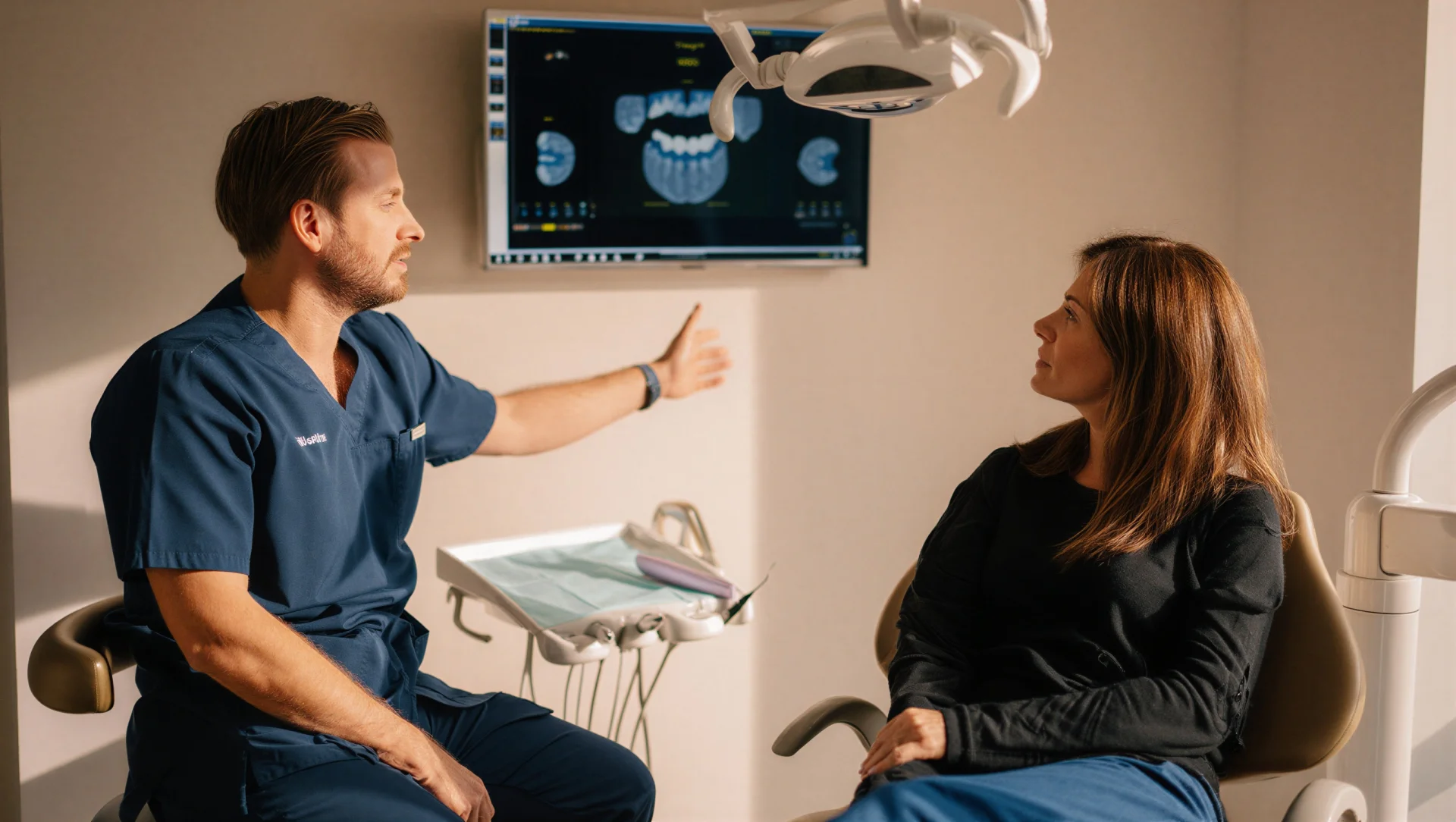
Care you can count on
Doctor-led aesthetic care, personalised plans, and discreet, considered treatment — at every visit.
Get in touch
We'd love to hear from you. Fill in the form or reach us directly — we'll reply the same working day.
Call us
02920 229877
Email
hello@cardiffdentalaesthetics.co.uk
Visit
107 Clare Road, Cardiff, CF11 6QQ - Get Directions
Opening hours
By appointment only
Closed 13:00–14:00 for lunch
More from the practice
News, offers, and clinical updates from Cardiff Dental and Aesthetics Centre.
August 17, 2026
Skin Tag Removal: A Simple Guide to Treatment and What to Expect
Thinking about skin tag removal in Cardiff? What skin tags are, why people have them removed, how treatment works and what to expect afterwards.
Read more →